The History of Calculus Matters!
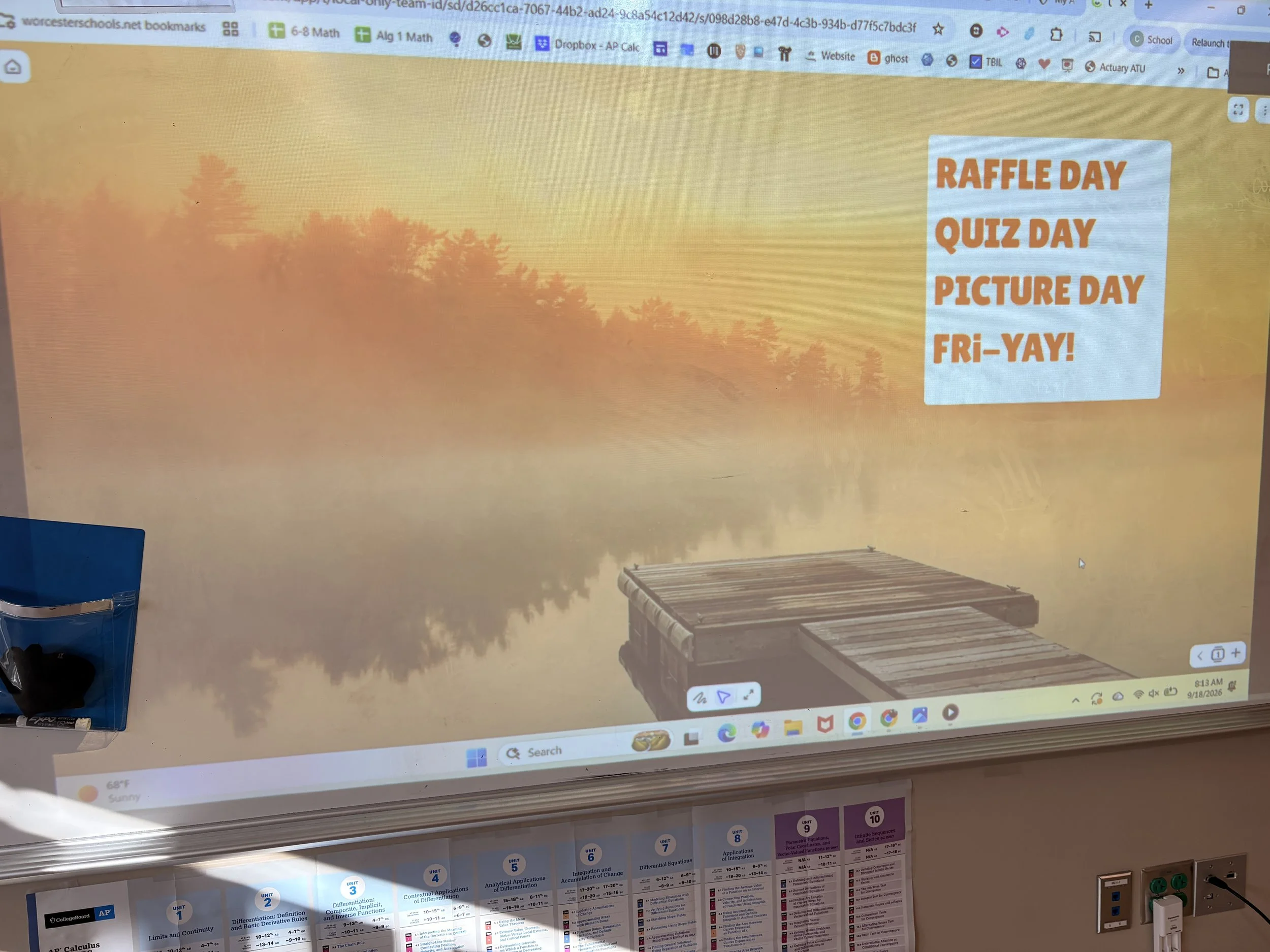
Last Friday was a busy day: it was our weekly Attendance Raffle, picture day, and the History of Calculus quiz day! Our school decided to hold picture day during all math classes this year, so I slightly adjusted the way I run my Calculus Historian quiz and prize this year.
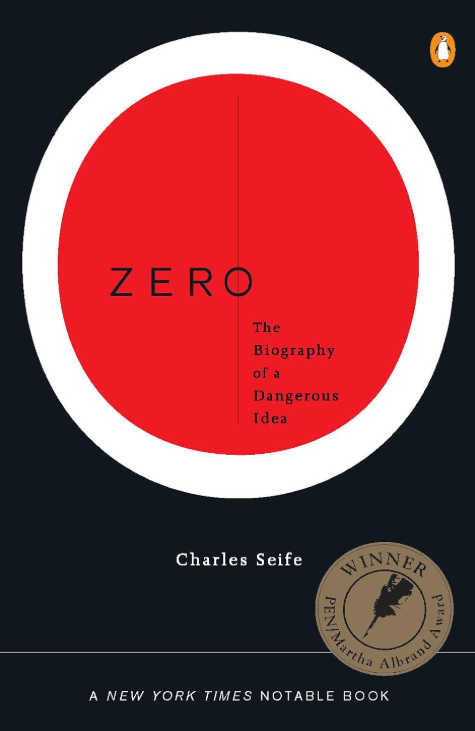
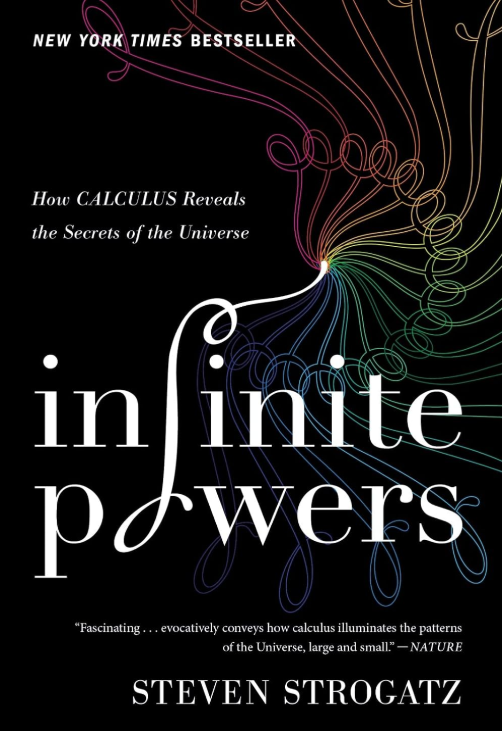
Since the first year I started teaching Calculus, I have always spent time going over the Origins of Calculus, how it came to be, who were the key mathematicians in the development of this new branch of math, and why it mattered. Since my students are spending an entire year learning this branch of mathematics, it is important to me that my students fully appreciate how long it took to come up with these ideas and how many people dedicated their lives to trying to discover these formulas - formulas that students today get for free! Calculus is a human creation and therefore needs to be humanized. I created a PowerPoint that went through some of the key stages in the development of Calculus over the past thousands of years. I didn’t include everything, but I highlighted what I considered to be very significant details. I got a lot of my information from two books: ZERO: The Biography of a Dangerous Idea as well as Infinite Powers.
The first several years that I taught AP Calculus, I spent an entire class period going through the PowerPoint and then another class period giving the quiz orally and having students immediately grade one another’s quizzes (I then collected the quizzes and double checked their scoring). The top two scores in each period earned the title of the Calculus Historians of the class along with a goodie bag.
Once Covid hit, I didn’t want to talk to black empty screens for 45 minutes over a Zoom call, so I recorded myself going through the presentation and created a video out of it. Students needed to watch the video but they didn’t have to take notes unless they wanted to. They would then take a graded quiz the next day - anywhere from 20 to 24 questions, depending on the year.
Up until this year, the quiz would take almost an entire period. It was always entertaining asking a question and hearing the students react depending on whether they remembered the answer from the video, had no idea what I was talking about, or were outraged that I would ask such a specific question. Inevitably I would need to read aloud each question about 3 more times each for the person who wasn’t listening or the person who was stumped and thought if they heard the question several more times, it might trigger their memory.
Then the grading process began - it was fun having students self-grade and get immediate feedback, and it also made them realize how difficult grading can be - where do you draw the line on what an acceptable answer is? I would read the answers aloud to each question and students would immediately yell out the answer they had on the paper they were grading, which was a slight variation of what I said, and ask if it ‘counted.’ Although this was entertaining for everyone, it took a LOT OF TIME. With picture day this year, we were short on time.
For the first time, I typed up a few versions of the quiz on the video, all short answer or one word answer, and did not have students grade one another. I just collected them and then graded them myself, which was pretty quick to do.

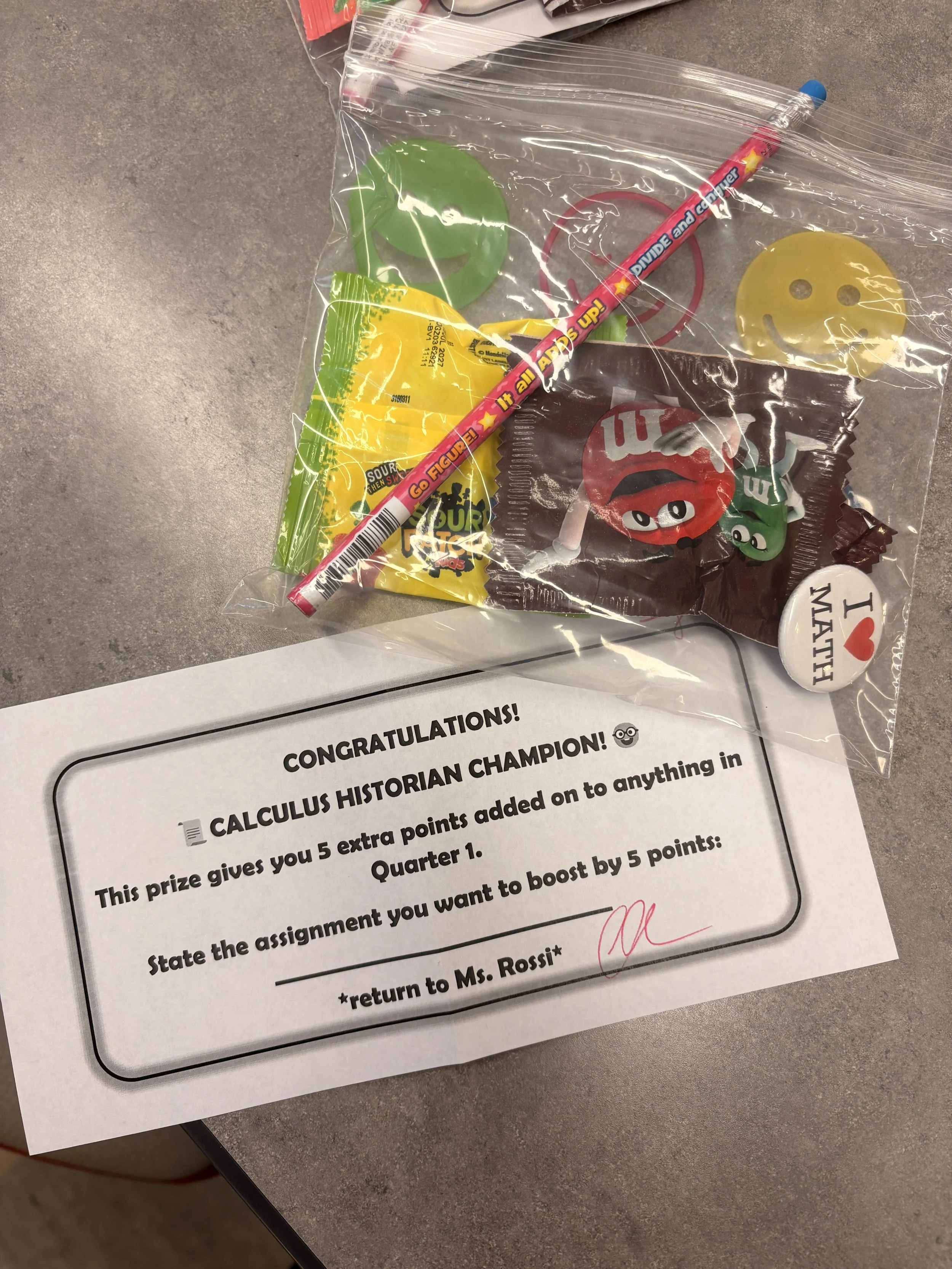
The top two winners in each period got the goodie bags above on the next day of class. This year was interesting because in BOTH periods, I had a three-way tie for second place! This meant I had to make double the amount of goodie bags.
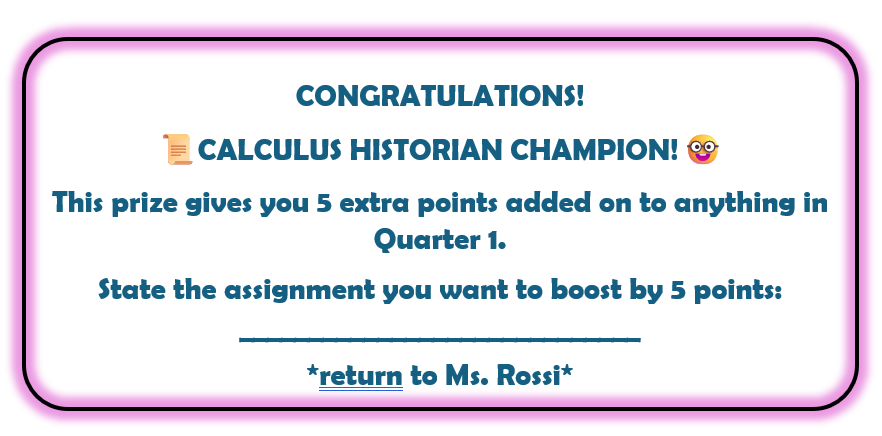
Each goodie bag contained a slip of paper with their bonus prize (PDF version HERE).
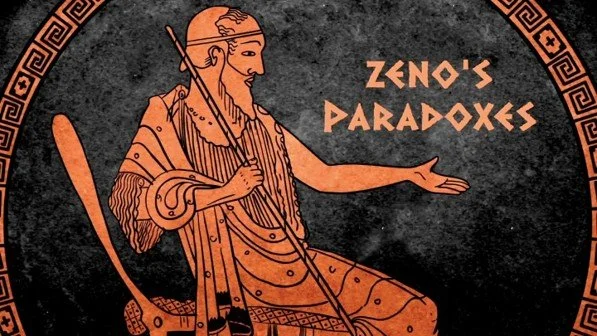
My history presentation begins with Zeno, the ‘most annoying man in the West,’ and his paradoxes, which stumped mathematicians for years because they didn’t have the concepts of zero or infinity.
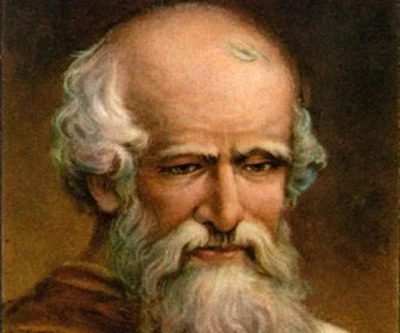
After discussing infinite series a bit, I move on to Archimedes and his contributions as well as his method for calculating the area of a parabola using infinite amount of increasingly smaller triangles. Alas, if only mathematicians had the number zero at their disposal, they would have discovered Calculus much earlier. The book ZERO (linked above) does a great job explaining why the use of the number zero was equivalent to heresy and punishable by death.
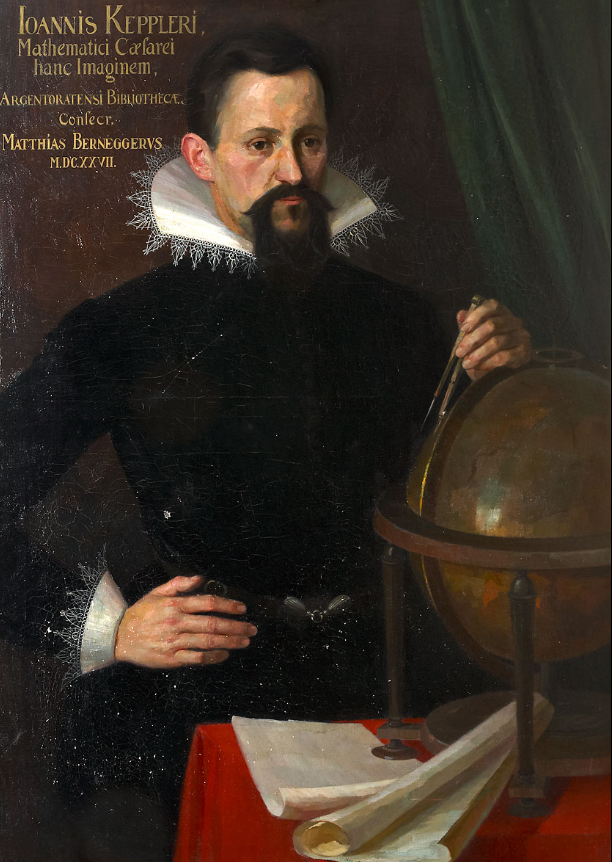
Next I discuss Kepler and his method of estimating the amount of wine in a wine barrel. This is always fun for me because of the connection to Linz, Austria, where my family is from. Kepler was so concerned with estimating the volume of wine because he was purchasing a lot for the wedding celebration of his second marriage, and this reception was held in Linz.
Then we get to Newton, who was discovering Calculus in isolation due to the spread of the Bubonic plague. He had to quarantine on his family’s farm while his university closed its doors to help prevent the spread of the disease.
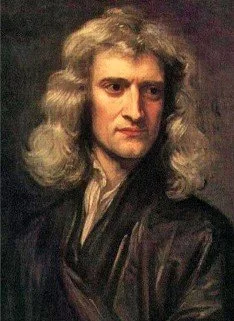
At nearly the same time, German mathematician Leibniz was also discovering solutions to the tangent line problem and was corresponding with Newton through letters about their discoveries.
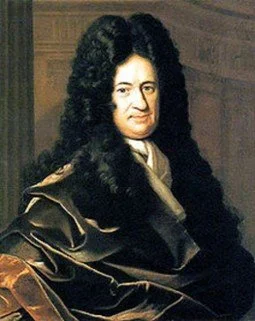
Leibniz published his work first, but Newton claimed he came up with Calculus first - thus began the long argument over plagiarism and who should truly get the credit for discovering Calculus.
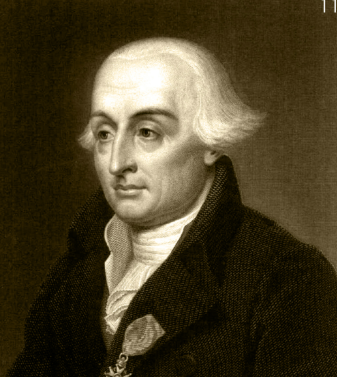
I show students the notation Newton used, which we do not use now, and the notation Leibniz came up with, dy/dx, which we currently use. Then I tell them about Lagrange and his notation, f’(x), which is also still used today.
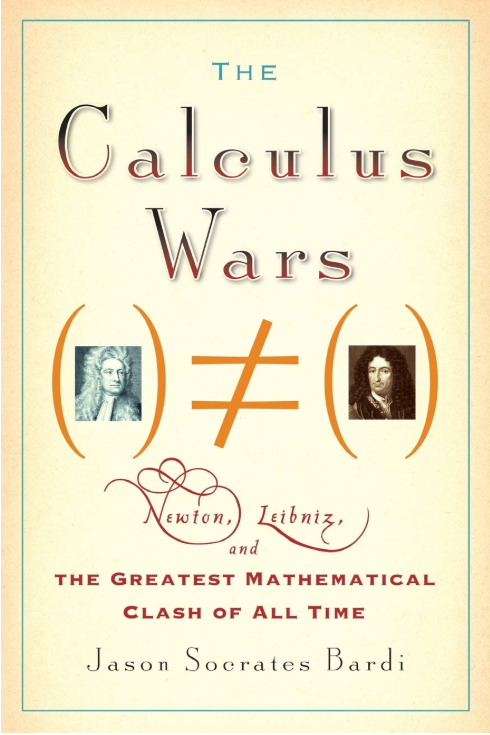
Most students end up picking a side in the debate of Newton versus Leibniz, and an entire BOOK was even written about this clash of two great minds:
HERE is another resource to learn more about the Origins of Calculus, a YouTube two-part video on the Birth of Calculus. Hopefully all students have the opportunity to explore the history of one of mankind’s greatest accomplishments: the discovery of Calculus!