Independent VS Dependent Learners and CRT
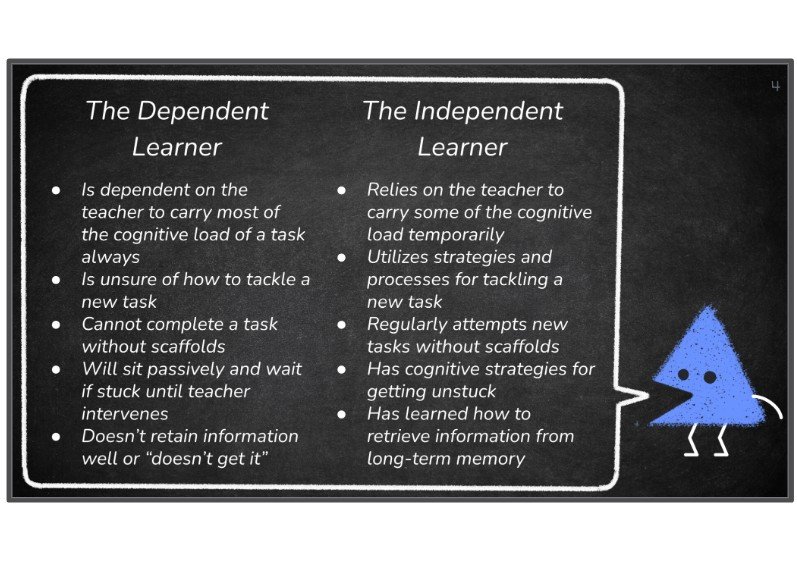
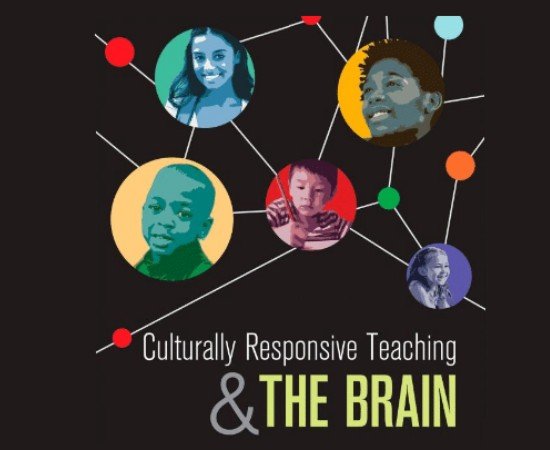
Above is the excellent info-graphic that I saw for the first time during a teacher’s presentation at the Amplify Desmos Fellows Orientation a couple days ago. The presenter said this came from the book written by Zaretta Hammond called Culturally Responsive Teaching and the Brain.
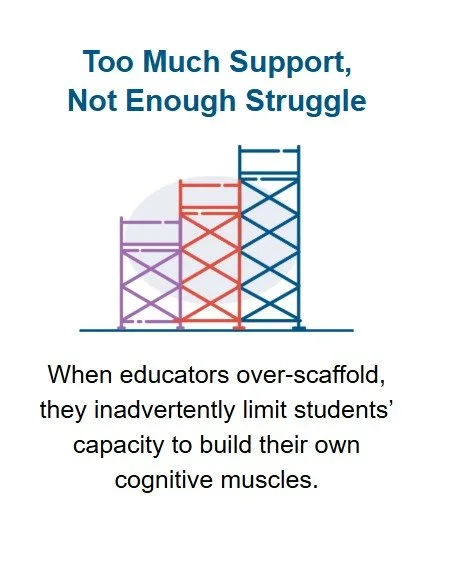
This visual immediately appealed to me because it laid out in a simple yet informative way something that I focus heavily on each year with my new batch of sophomore. I often have students who want me to hold their hand through the solving process because they are afraid to venture into the mathematical unknown; or they passively wait for someone to guide them in the right direction, rather than taking charge and using their resources, like their notebooks or peers.
The presenter also mentioned that the book called for teachers to become ‘warm demanders’ in the classroom in order to build student autonomy and help them become independent learners. Now this was a phrase I had never heard of before, but I immediately loved it and strongly identified with.
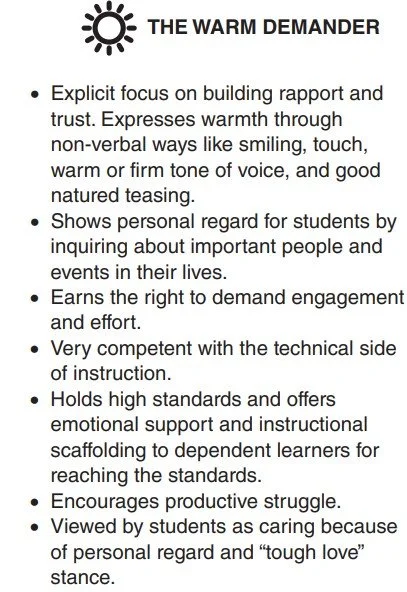
The author describes a "warm demander" as a teacher who combines deep personal warmth and relational trust with high academic expectations. They act as a cognitive coach, pushing students to productively struggle and build brain power. I have always believed that in the classroom, the student should be the worker while the teacher acts as the coach, so this was very powerful for me to read about online and reaffirmed that this is something I should continue to work on in my classroom.
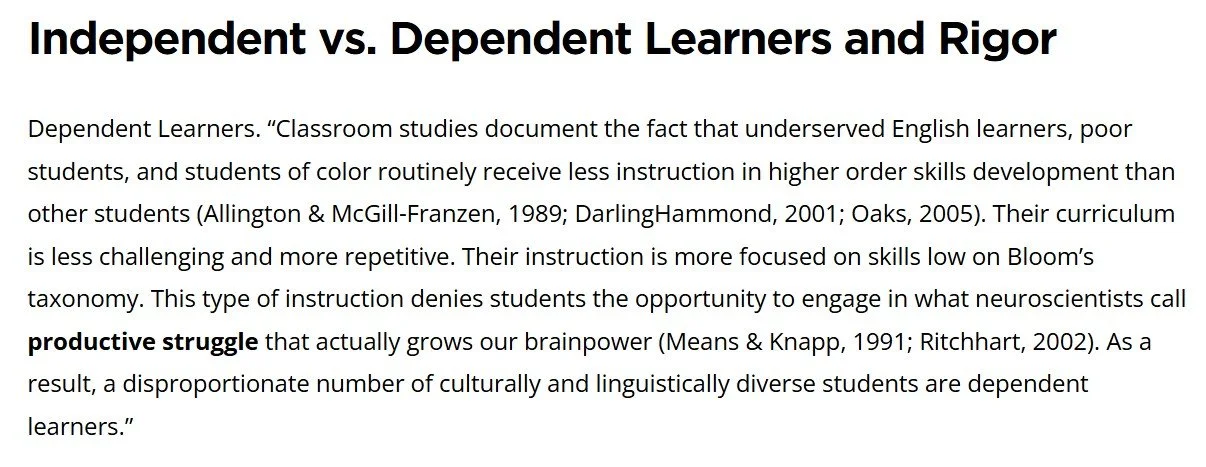
I have not read the book yet, but it is going on my list of books to read this summer (including Mathematical Tasks for Building Thinking Classrooms which I bought last month). Although I don’t have the book yet, I found these excerpts from the book online:
“This teaching philosophy is rooted in the neuroscience of learning. By establishing strong rapport, the warm demander lowers the student's affective filter and triggers the release of oxytocin, which signals to the brain that the classroom is a safe space. This safety is required before a teacher can ask students to step out of their comfort zones.”
I appreciate that the book is written by an actual classroom teacher and not just a researcher who has never been in the trenches, so to speak, and that the author based her studies on both scientific research and personal experience. I’m looking forward to reading more about Zaretta Hammond’s ideas, especially since I teach in an inner-city, very diverse school.